Setting up ADA detectable warning panels is more than just a task; it’s a way to make spaces safer for everyone. These panels help alert those with visual impairments about certain changes in their environment. In this article, we will dive into the details of the installation of ADA detectable warning panels—both cast in place and surface applied. I remember my first time helping with this installation. It opened my eyes to how important these panels are, and I hope to share that insight with you.
Why Are Detectable Warning Panels Important?
Detectable warning panels serve a critical function. They help navigate public spaces safely. Here are the main reasons why they matter:
- They provide tactile feedback for individuals with vision loss.
- They guide users to safe crossing areas and other critical points.
- They enhance overall accessibility in urban environments.
When I first saw how these panels work, I was amazed. The textured surface is not just a design choice; it’s a tool that helps people. You can feel the difference right under your feet.
Types of Installation
There are two main methods for installing these panels: cast in place and surface applied. Each method has its own benefits. Let’s break them down.
Cast In Place Installation
With cast in place installation, the panels are integrated directly into the concrete when it’s poured. This method is durable and offers a seamless look. Here are some key points:
- Panels are set before the concrete hardens.
- This method can be more cost-effective for large projects.
- It often results in a longer-lasting installation.
One time, I watched a crew pour concrete around the panels. The workers made it look easy, but I learned it requires precision. If the panels aren’t placed correctly, it could lead to safety issues.
Surface Applied Installation
Surface applied installation is a bit different. Here, the panels are adhered to an existing surface. This method is great for retrofitting older structures. Here are some benefits:
- Quick installation time.
- Less disruption to existing surfaces.
- Ideal for areas that need immediate upgrades.
When we installed surface applied panels in a busy park, the process took just a few hours. People were able to use the area again quickly, which was a relief. It felt great knowing we were making a difference.
Materials Used
Both methods use specific materials designed to withstand wear and tear. Most panels are made from:
- High-quality plastic or rubber materials.
- Concrete for cast in place options.
- Durable adhesives for surface applied panels.
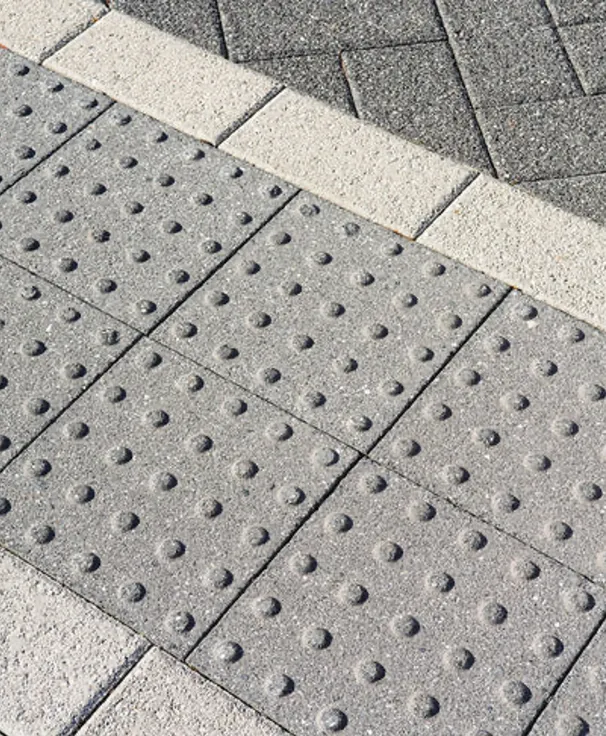
For example, using truncated dome tiles ensures that users have a reliable tactile surface. The color contrast also helps with visibility, making them easier to spot.
Final Thoughts
Installing ADA detectable warning panels is a vital task that promotes safety and accessibility. Whether you choose cast in place or surface applied methods, both serve a purpose. From my experience, taking the time to do it right matters. It’s not just about following guidelines; it’s about helping people navigate their world safely.
I hope this guide helps you in your installation journey. Remember, every step you take makes a difference!